There is something deeply satisfying about digging your hands into the earth and watching a tiny seed transform into a vibrant, living plant. Gardening is more than just a hobby; it is a way to connect with nature, reduce stress, and even provide fresh food for your table. However, for a beginner, the prospect of starting a garden can feel overwhelming. This guide is designed to simplify the process and help you cultivate a green thumb from scratch.
Laying the Foundation: Location and Soil Preparation
The success of your garden begins long before you put a single plant in the ground. The first and most critical step is choosing the right location.
Most vegetables and flowering plants require at least six to eight hours of direct sunlight each day. Observe your outdoor space throughout the day to identify “hot spots” where the sun lingers. Additionally, ensure your garden is near a water source. Lugging heavy hoses or watering cans across a vast yard is a quick way to lose motivation.
Once you have found the perfect spot, you must look beneath the surface. Soil is the lifeblood of your garden. Beginners often make the mistake of assuming any dirt will do, but plants need nutrient-rich, well-draining soil to thrive. If your soil is too sandy, water will drain away before the roots can soak it up; if it has too much clay, it will become waterlogged and suffocate the plants. The best solution is to incorporate organic matter, such as compost or well-rotted manure. This improves soil structure and provides a slow-release source of essential nutrients.
Consider starting with raised beds or containers if your ground soil is particularly poor or rocky. Raised beds allow you to control the soil quality from the start and provide better drainage. They also save your back and knees from excessive bending. Whichever method you choose, remember that healthy soil leads to healthy plants.
Selecting Your Plants: From Seeds to Starts
With your site prepared, the exciting part begins: choosing what to grow. For a beginner, it is tempting to want to grow everything at once. However, the secret to a thriving garden is starting small. Choose three to five types of plants that you genuinely enjoy eating or looking at. Easy-to-grow choices for beginners include cherry tomatoes, lettuce, zucchini, marigolds, and sunflowers.
You have two main options when sourcing your greenery: starting from seeds or buying “starts” (young plants). Starting from seeds is cost-effective and offers a wider variety of species, but it requires patience and a bit more technical skill. If you want a head start, visit a local nursery. Professional nurseries stock varieties that are specifically suited to your local climate and soil conditions. Buying established seedlings allows you to skip the delicate germination phase, giving you an immediate sense of progress and a higher success rate during your first season.
When selecting plants at the nursery, look for specimens with sturdy stems and healthy, green leaves. Avoid plants that look “leggy” (tall and spindly) or those that already have roots growing out of the bottom of the pot, as they may be root-bound and stressed. Don’t be afraid to ask the nursery staff for advice; they often have a wealth of knowledge regarding local pests and planting schedules.
Cultivating Growth: Maintenance and Consistency
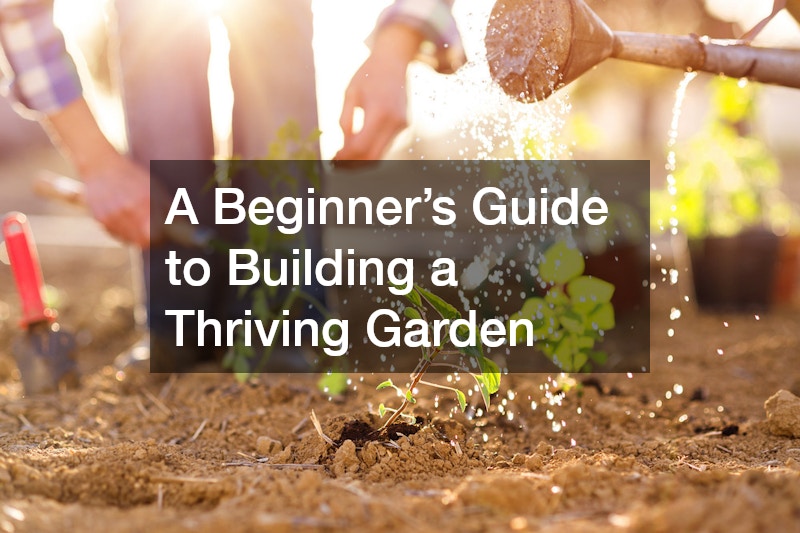
After the initial excitement of planting wears off, the real work of gardening begins. Consistency is the key to a thriving garden. Watering is perhaps the most misunderstood task. Most beginners tend to overwater or water superficially. The goal is to keep the soil consistently moist but not soggy. It is better to water deeply once or twice a week than to give your plants a light sprinkle every day. Deep watering encourages roots to grow further down into the soil, making the plant more resilient during dry spells.
Mulching is another secret weapon for the beginner gardener. Applying a layer of straw, wood chips, or shredded leaves around the base of your plants helps retain moisture, regulates soil temperature, and suppresses weeds. Speaking of weeds, try to spend ten minutes every few days pulling them. If you let them go, they will quickly compete with your plants for nutrients and water, eventually taking over the space.
Finally, remember that gardening is a learning process. You will inevitably encounter pests, diseases, or a plant that simply refuses to grow despite your best efforts. Don’t be discouraged. Each failure is a lesson that makes you a better gardener. Pay attention to the rhythms of the seasons and the specific needs of your plants. Over time, you will develop an intuition for what your garden needs.
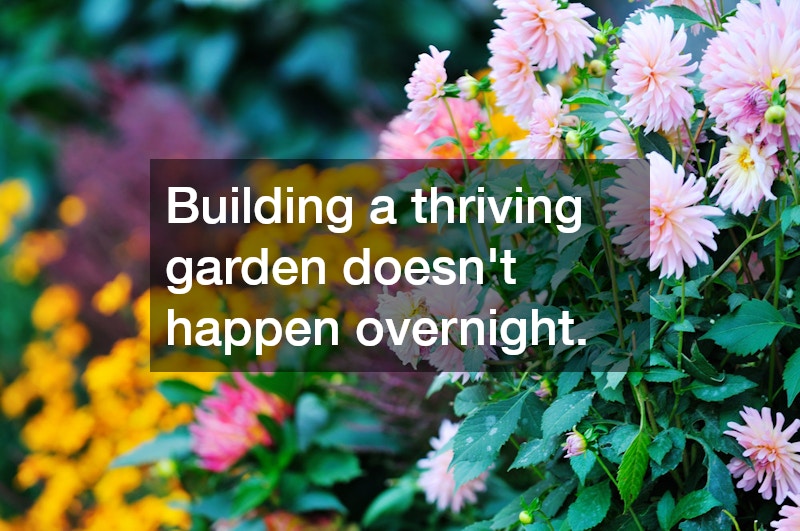
Building a thriving garden doesn’t happen overnight. It is a slow, methodical journey that rewards patience and observation. By focusing on good soil, choosing the right plants, and maintaining a consistent care routine, you will soon find yourself surrounded by a lush, productive sanctuary that you built with your own two hands.