The dream of a pristine front yard often clashes with the reality of grueling weekend chores. For many homeowners, the front garden becomes a source of stress rather than pride, requiring endless hours of weeding, mowing, and watering. However, achieving high curb appeal does not have to be synonymous with high labor. By shifting your focus toward sustainable design, hardy plant selections, and automated infrastructure, you can create an exterior that looks professionally manicured while requiring only a fraction of the effort.
The Architectural Foundation of Easy Care

The most successful low-maintenance landscapes begin with a solid structural plan. Before a single flower is planted, you must address the bones of the yard. Hardscaping acts as the permanent framework that defines spaces and reduces the amount of total plantable area that needs your attention. By increasing the ratio of stone, gravel, or wood to living grass, you naturally decrease the volume of pruning and mowing required.
If your property has significant elevation changes, the labor required to maintain those slopes can be immense. Soil erosion often leads to patchy growth and messy sidewalks after rain. Hiring an experienced retaining wall builder is one of the most effective ways to solve this. These structures create flat, manageable terraces that are much easier to plant and mulch, effectively turning a difficult hillside into a series of organized, beautiful garden beds.
Beyond the hard surfaces, the initial layout of your greenery dictates your future workload. Amateur gardeners often place plants too close together, leading to overcrowding and the need for constant thinning. Consulting with a professional landscape designer ensures that every specimen is placed with its mature size in mind. This foresight prevents the need for aggressive pruning later on and ensures that your yard looks balanced and intentional as it grows over the years.
High-Impact Ground Covers and Soil Health
One of the biggest time-wasters in traditional gardening is the fight against weeds. Bare soil is an invitation for invasive species to take root. To combat this, you should aim for “green mulch” or dense ground covers that blanket the earth and choke out competition. Plants like creeping thyme, sedum, or certain types of clover stay low to the ground and require zero mowing.
- Creeping Thyme: Provides a fragrant, walkable surface that thrives in the sun.
- Pachysandra: Ideal for shaded areas under large trees where grass struggles.
- Stonecrop: A succulent variety that stores water and needs almost no attention.
- Dutch White Clover: A nitrogen-fixing ground cover that stays green even in droughts.
When preparing large areas for new beds or clearing out old, overgrown brush, you need a solution that improves the soil while removing the mess. Utilizing forestry mulching is a brilliant way to clear a site because it processes organic material right where it stands. The resulting mulch stays on the ground, creating a thick barrier that protects the soil from the sun and provides a slow-release source of nutrients for your new, low-maintenance plantings.
To ensure these new beds transition from an idea to a thriving reality, the physical installation must be precise. Professional landscapers have the equipment and knowledge to amend your soil with the correct organic matter, ensuring your plants have a healthy start. When the soil is healthy, and the plants are chosen for your specific hardiness zone, the need for fertilizers and pesticides drops significantly, making your yard much more self-sufficient.
Revolutionizing Your Watering Strategy
Watering is the most frequent task in any landscape, and doing it by hand is rarely efficient. To achieve a truly low-maintenance front yard, you must remove the human element from the hydration process. Technology has advanced to the point where your yard can essentially “check the weather” and decide when it needs a drink, saving you both time and money on utility bills.
The backbone of a smart yard is a series of automated irrigation systems that can be programmed via smartphone. These systems use weather data to skip cycles when rain is in the forecast, preventing the overwatering that often kills sensitive plants. By delivering water directly to the root zones, these systems minimize evaporation and ensure that every drop is utilized by your landscape rather than being lost to the driveway.
However, even the best technology can fail over time due to mineral buildup or shifting soil. It is important to perform regular checks to determine if you need a professional sprinkler repair to fix leaky valves or clogged heads. A single broken head can waste hundreds of gallons of water and leave a portion of your yard parched, leading to plant death that requires expensive replacements. Keeping the mechanics in top shape is the key to a hands-off garden.
Precision Hydration for Garden Beds
While a lawn might do well with a standard spray, your ornamental beds and hedges require a more delicate touch. High-pressure sprays can damage fragile blooms and often lead to surface runoff before the water can penetrate the soil. This is where specialized watering solutions become invaluable for the serious but busy homeowner.
Implementing residential garden irrigation systems allows you to use drip lines or micro-sprays that target individual plants. This is particularly useful for foundation plantings or decorative pots on the porch. Because the water is delivered slowly and deeply, it encourages roots to grow further into the ground, making the plants more resilient during heat waves and reducing the frequency of needed interventions.
Consider these benefits of a targeted drip system:
- Reduces weed growth by leaving the spaces between plants dry.
- Eliminates water spots on your home’s siding and windows.
- Prevents leaf diseases by keeping the foliage dry during watering.
- Operates quietly and out of sight, maintaining the clean look of your yard.
By integrating these sophisticated irrigation systems into your design, you create a landscape that can survive and thrive even if you are away for weeks at a time. The goal is to build a system that manages itself, leaving you to simply enjoy the view from your front porch.
The Long-Term Health of Your Trees
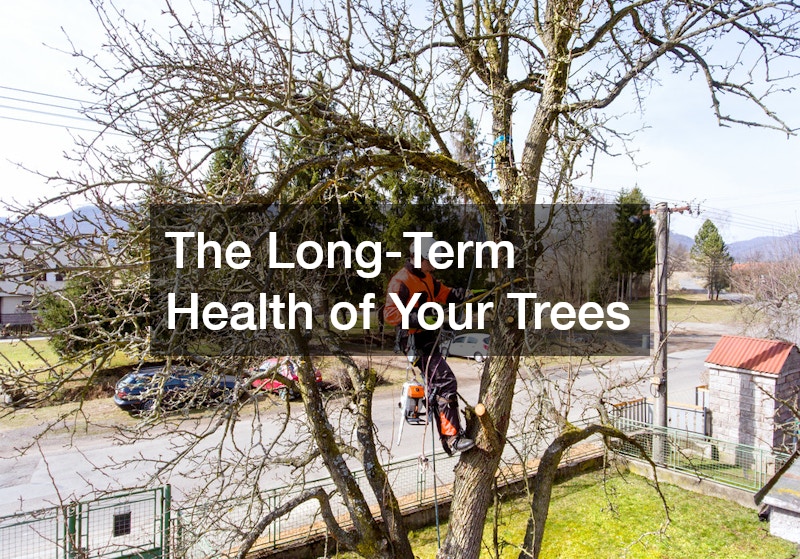
Trees are the most valuable assets in your landscape, providing shade, privacy, and structural beauty. However, they can also be a major source of work if they are neglected. Falling limbs, leaf litter, and disease can quickly turn a beautiful oak or maple into a maintenance nightmare. Proper care for these giants is a task best left to those with the right equipment and training.
Regular maintenance from a tree trimming service is essential for preventing storm damage and maintaining the shape of your canopy. By removing deadwood and thinning out dense branches, you allow more light to reach the plants below and reduce the weight on the tree’s main structure. This proactive pruning prevents the sudden, catastrophic limb failures that can damage your roof or car.
For more complex health issues, you should seek out specialized tree care companies that offer diagnostic services. These professionals can identify early signs of pest infestations or nutrient deficiencies that might not be obvious to the untrained eye. Treating a tree for a fungus today is much easier and cheaper than trying to save a dying tree three years from now, making professional oversight a core part of a low-maintenance strategy.
Knowing When to Let Go
Sometimes, a plant or a tree is simply too much work for its location. A tree that drops heavy fruit on your driveway or one that has outgrown its space near the foundation will never be low-maintenance. In these cases, the most efficient choice is to remove the problem entirely and start fresh with a species better suited for the environment.
When a specimen becomes a liability, calling a tree removal company is the safest way to clear the path for a better design. Removing an old, struggling tree can instantly brighten up a dark front yard and provide the space needed for more manageable shrubs or a modern stone garden. It also eliminates the constant chore of cleaning up falling debris and treating recurring diseases.
- Safety First: Removing a leaning or rotted tree prevents property damage.
- Light Management: Opening the canopy allows sun-loving ground covers to thrive.
- Foundation Protection: Eliminates invasive roots that can crack pipes or concrete.
- Design Freedom: Clears the way for modern, low-effort hardscaping features.
Once the large-scale obstacles are removed, you can focus on fine-tuning the remaining elements. A low-maintenance yard is a living entity that evolves. By making the difficult decision to remove high-effort plants now, you pave the way for a decade of easy gardening and consistent beauty.
Selecting the Right Plants for the Job

The actual plants you choose will be the final layer of your low-maintenance masterpiece. The secret is to use “right plant, right place” logic, which involves matching a species’ biological needs to the specific sunlight, soil, and moisture conditions of your yard. Native plants are almost always the best choice because they have spent thousands of years adapting to your specific climate, meaning they require less supplemental water and are naturally resistant to local bugs. By choosing flora that evolved in your backyard, you eliminate the need for artificial life support like heavy chemical fertilizers or constant soil pH adjustments.
Focusing on perennials rather than annuals is the cornerstone of a sustainable front yard. Annuals must be replanted every year, which is the definition of high maintenance and a recurring expense. Perennials come back year after year, often growing larger and more beautiful with each season as their root systems become more established. When selecting these plants, look for “clump-forming” varieties that stay where you put them, rather than “running” varieties that will quickly take over your entire yard and require constant containment. This boundary-conscious selection keeps your garden beds looking tidy without the need for frequent edging or thinning.
- Ornamental Grasses: Most only need to be cut back once a year in late winter and provide great texture.
- Lavender: Drought-tolerant, beautiful, and keeps its silver-green foliage for most of the year.
- Coneflowers: Native to many regions, these are hardy, colorful, and attract pollinators like butterflies.
- Evergreen Shrubs: Provide structure and color even in the depths of winter without the need for deadheading.
To truly streamline your gardening routine, group your plants by their water needs, a practice known as hydro-zoning. By putting all your thirstiest plants in one area, you can focus your irrigation efforts there rather than overwatering the rest of the yard. When you align your plant choices with the natural topography of your yard—placing moisture-loving plants in low spots and drought-resistant varieties on sun-drenched slopes—the landscape begins to take care of itself.
Creating a Permanent Aesthetic
To wrap up the design, consider the “mulch layer” as a permanent design element. While wood mulch is great for the soil, it does decompose and needs to be refreshed every year or two. For a truly zero-effort solution, many homeowners are turning to decorative stone or river rock. These materials do not break down; they stay in place during heavy rain, and they provide a modern, clean look that contrasts beautifully with green foliage.
If you prefer the look of wood mulch, go with a high-quality, double-shredded variety that will knit together and resist washing away. A thick layer of mulch—roughly three inches—is your best defense against weeds and the best way to keep moisture in the soil. It also gives the yard a finished, professional look that instantly boosts curb appeal.
Designing a low-maintenance front yard is an investment in your future. By focusing on the structural integrity of the land, the efficiency of your watering systems, and the health of your largest plants, you create a space that offers maximum enjoyment with minimum toil. The transition from a high-maintenance lawn to a streamlined landscape may take some initial effort and professional help, but the reward is a beautiful home exterior that gives you your weekends back. Spend your time enjoying the view from your porch rather than working in the dirt, and let your yard become a sustainable, self-reliant part of your home.