
Enhancing the exterior of your home not only boosts its curb appeal but also increases its value. In this article, we explore various projects and services that can improve the aesthetics and functionality of your home’s exterior. From selecting the best siding contractors to identifying when a roof replacement is necessary, we’ve got you covered with detailed insights and essential tips.
1. Choosing the Right Siding Contractors
Qualities to Look For in Siding Contractors
When selecting a siding company, it’s crucial to prioritize experience. Experienced contractors are likely to deliver quality work because they have honed their skills over the years. Additionally, look for contractors who offer comprehensive warranties, reflecting their confidence in the durability of their services.
While experience is key, craftsmanship should not be overlooked. Quality siding contractors are known for their attention to detail and precision in installing siding. A strong portfolio showcasing completed projects can provide insight into a contractor’s skill and style.
Questions to Ask Potential Siding Contractors
Before hiring, it’s essential to ask siding contractors about their previous projects. Their past work can give you a clearer picture of their expertise and the scope of services they can provide. Inquire specifically about projects similar to yours to ensure compatibility.
Finally, discuss the cost breakdown with potential siding contractors. Knowing where your money is going and what each service entails helps in assessing the overall value. Beware of contractors who can’t provide clear, itemized estimates, as this could indicate hidden fees or unexpected charges.
2. How to Find the Best Siding Company Near You
Researching Local Siding Companies
Once you have a list, assess the siding companies based on their online presence and client reviews. A professional website with testimonials can indicate positive customer experiences. Check if the company has any awards or special recognitions, further validating their reputation.
Evaluating Customer Reviews for Siding Services
Pay attention to reviews that mention specific aspects such as professionalism, timeliness, and adherence to budget. Consistent positive mentions of these qualities are indicators of a reliable company. Conversely, repeated negative feedback should raise concerns and warrant further investigation.
3. Siding Options to Enhance Your Home’s Exterior
Material Types Available for Siding
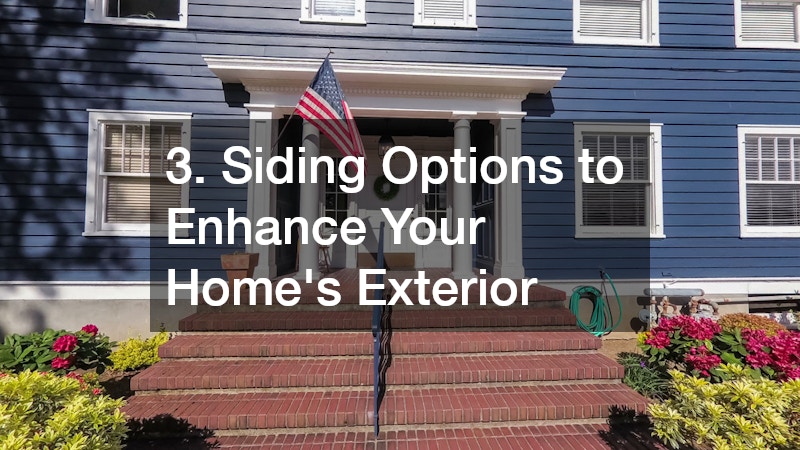
Homeowners have a variety of siding materials to choose from, each offering distinct benefits. Vinyl siding is popular due to its affordability and low maintenance requirements. Alternatively, fiber cement siding is favored for its durability and fire-resistant properties.
Wood siding remains a classic choice for a timeless, natural look. However, it requires regular maintenance to prevent damage from insects and weather. Composite siding provides an eco-friendly option, often made from recycled materials that mimic natural textures.
The Pros and Cons of Different Siding Materials
Vinyl siding is known for being inexpensive and requiring minimal upkeep, making it an attractive option for many homeowners. However, it may not offer the same aesthetic as natural materials and can be susceptible to extreme weather damage. Meanwhile, fiber cement is more costly but offers superior resilience and a more authentic appearance.
Composite siding blends aesthetic appeal with durability and eco-friendliness. However, it can be more expensive upfront compared to other siding types. Assessing features such as lifespan and energy efficiency can help justify this initial investment.
4. The Importance of a Professional Gutter Installer
Benefits of Hiring a Gutter Installer
Collaborating with a professional gutter installer ensures the effective diversion of water away from your home. Properly installed gutters protect roofs, siding, and foundation from water damage. They also minimize basement flooding risks by effectively channeling rainfall.
Accountability is another advantage of hiring a professional. Should any issues arise post-installation, most gutter installers offer warranties and prompt service to address problems. This reduces the hassle for homeowners and often prevents larger issues from developing.
Signs You Need a Gutter Replacement
One of the clearest signs that you need gutter replacement is persistent leaks or noticeable sagging. When gutters fail to perform efficiently, water can damage roof edges, cladding, and foundations. Early intervention saves subsequent repair costs and protects structural integrity.
A sudden increase in bird or vermin presence might point to blocked gutters. Water sitting in improperly flowing gutters creates an attractive habitat for pests. Replacing or repairing gutters can often resolve these infestations by restoring proper drainage.

5. Why Hire a Local Roofer for Your Project
Advantages of Choosing a Local Roofer
Local roofers offer the convenience and reliability of being in close proximity. They are able to provide quick service response times, minimizing any external damage due to delays. Proximity also equates to a better understanding of regional building codes and regulations.
Furthermore, using local roofers supports the local economy and fosters community development. Investing in local businesses strengthens economic ties, ensuring a thriving business ecosystem. This mutual relationship encourages business integrity and value creation.
How Local Roofers Understand Local Weather Conditions
Local roofers provide valuable insights based on firsthand experience with regional weather patterns. This understanding is especially crucial in areas with extreme climate variations. Experienced roofers adeptly select and install materials that withstand environmental stresses peculiar to the region.
By working with local roofers, homeowners benefit from expert recommendations tailored to local conditions. This can include advice on best roofing practices and material selection to ensure long-lasting results. The resulting bespoke solution fortifies your home against climate challenges.
6. Signs You Need a Roof Replacement
Common Indicators of Roof Deterioration
Signs indicating a roof replacement need include water damage within the house, such as leaks or visible moisture spots. Such occurrences signal gaps or failures in the roofing system. Immediate action can prevent more severe structural damage or mold development.
Additionally, visible sagging or uneven spots on the roof surface are cause for concern. These irregularities suggest compromised structural integrity often necessitating immediate intervention. Roof replacement offers a comprehensive solution to enhance durability and eliminate short-lived repairs.
When to Opt for Repair vs. Replacement
Deciding between repair and replacement depends on the extent of damage and age of the roof. For isolated issues such as minor leaks or damage in specific areas, repairs may be sufficient. Regular maintenance can prolong the lifespan of the roof when addressed promptly.
Considering the cost implications is crucial when determining the best approach. While repairs may be cheaper initially, frequent fixes could stagger long-term expenses. Comprehensive evaluation and upfront investment in replacement often yield better financial and structural outcomes.
7. The Role of a Roofer in Home Renovation
Responsibilities of a Professional Roofer
A professional roofer plays a critical role in assessing the current state of your roof and recommending actions. This assessment includes checking for damages, measuring the roof area, and identifying needed materials. Thorough inspection ensures comprehensive coverage during any renovation work.
Moreover, a professional roofer must execute the actual installation with precision and accuracy. This involves crafting sound, weatherproof roofing systems tailored to project specifications. Their expertise transforms raw materials into a secure and aesthetically pleasing roof.
What to Expect During a Roofing Project
During a roofing project, homeowners can anticipate some level of disruption while work is ongoing. Impacts may include noise, spaces taken up by materials and equipment, and limited onsite access. Planning accordingly minimizes inconveniences and helps the process proceed smoothly.
Clear communication is vital throughout the project to keep everyone aligned. Regular updates from the roofer help manage expectations and provide visibility on progress. Open dialogues about concerns or adjustments contribute to satisfactory outcomes for all parties involved.
8. How Local Residential Roofers Add Value
Benefits of Hiring Local Residential Roofers
Engaging local residential roofers offers the advantage of personalized service tailored to neighborhood nuances. These professionals bring localized expertise that aligns with specific architectural trends and preferences. Having a roofer that understands this context ensures cohesive and harmonious designs.
Furthermore, employing local residential roofers often results in cost benefits due to reduced travel expenses and accessibility to local suppliers. These savings can be passed on to clients through competitive pricing arrangements. Homeowners leveraging this advantage optimize project budgets efficiently.
Certification and Licensing Considerations
Hiring certified and licensed local residential roofers ensures adherence to industry standards and regulations. It reflects their commitment to quality and duty of care in home renovations. Certification acts as a testament to the skill and reliability of the roofer.
Licensing safeguards homeowners from unethical practices and guarantees compliance with safety requirements. Licensed roofers are typically more accountable, reducing risks associated with unqualified or inexperienced contractors. This oversight protects both residents and properties.
9. Exploring Various Roofing Services Available
Types of Roofing Services Offered
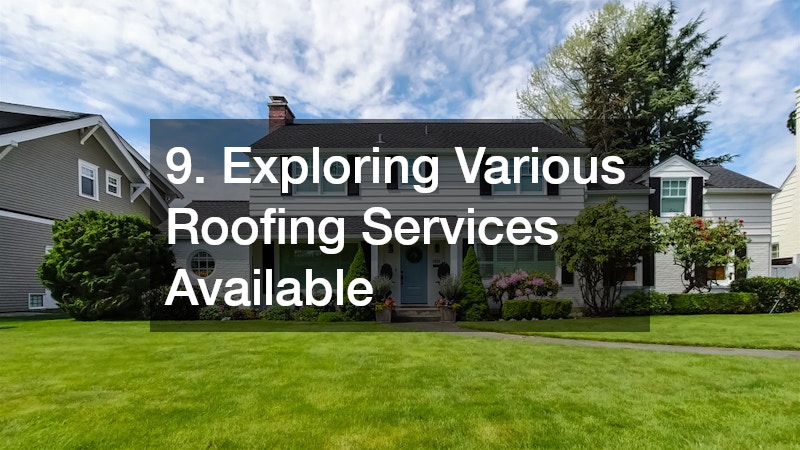
A comprehensive roofing service portfolio includes installation, maintenance, repair, and replacements. Ensuring all-in-one service access reduces the need for multiple contractors, streamlining project management. This level of convenience improves coordination and project efficiency.
Seasonal inspection services are valuable for proactive roof management, identifying potential issues before they escalate. Routine maintenance diminishes deterioration and extends the lifespan of roofing installations. Implementing annual inspections promotes the health of the entire roofing system.
Choosing the Right Service for Your Needs
Selecting the correct roofing service depends on evaluating existing conditions and desired outcomes. Understanding the specific problems faced by your roof directs you to the appropriate service option. Expert consultation aids in identifying what aspects need attention and resolution.
Consider the reputation and testimonials of roofing service providers to gauge reliability. Effective due diligence uncovers experiences of past customers and contractor responsiveness. A strong service track record assures homeowners of smooth project execution and exemplary results.
10. How Residential Roofers Ensure Durability
Materials Used by Residential Roofers
The choice of materials plays a significant role in the durability and performance of a roof. Residential roofers often opt for high-quality materials like asphalt shingles, metal sheets, or tiles, depending on the climate and architectural style. Advanced materials such as synthetic underlayment offer enhanced weatherproofing and longevity.
Premium options like slate and clay tiles are typically used for their aesthetic appeal and extended lifespan. While more costly, they provide superior durability and fire resistance. Lightweight options like corrugated metal balance budget considerations with strong protective performance.
Techniques for Long-Lasting Roofs
Quality craftsmanship is paramount in achieving long-lasting and resilient roofing solutions. Roofers use precision techniques during installation to ensure proper fitting and water resistance. High-extension fastening and correct alignment prevent wind lift and moisture ingress.
Preventive measures, like applying sealants and employing underlayment barriers, enhance roof protection against harsh weather conditions. Such measures augment the shield provided by the primary roofing materials. Adopting an integrated strategy ensures comprehensive defense against premature deterioration.
11. Cost-Effective Siding Solutions
Affordable Siding Options
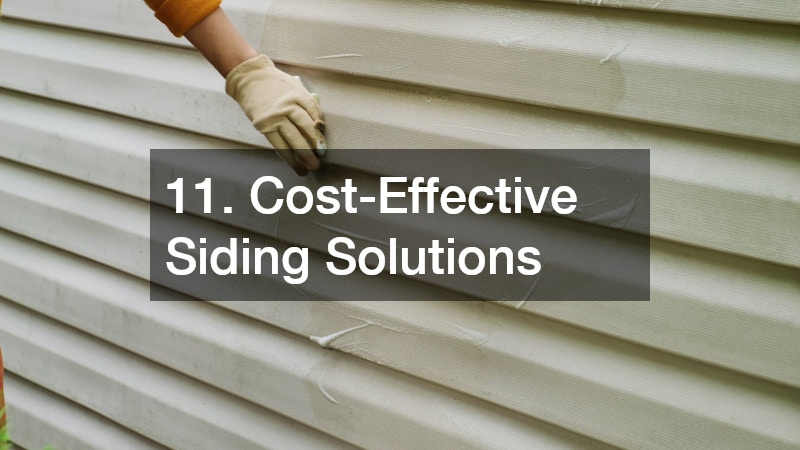
When it comes to affordable siding options, vinyl remains one of the most cost-effective choices available. It’s easy to install and requires minimal maintenance, offering a budget-friendly solution without sacrificing aesthetic value. Alternative materials like aluminum provide additional options, often available at competitive price points.
Manufacturers also offer engineered wood siding that gives the appearance of traditional wood without the associated cost or maintenance. These materials often come pre-finished for enhanced savings and convenience. Faux stone or brick veneers offer high durability and visual appeal at a lower cost than real stone.
Maximizing Your Investment in Siding
Maximizing your investment in siding involves selecting durable materials with an extended lifecycle. Opting for high-quality siding can minimize repair and replacement costs over time. This strategy ensures a more substantial return on the initial expenditure.
Leveraging warranties provided by manufacturers and contractors provides additional security against defects and damage. Comprehensive coverage shields homeowners from unexpected repair costs and enhances overall product assurance. This security aligns with long-term investment goals for siding initiatives.
12. Choosing the Right Roofing Material
Popular Roofing Materials and Their Benefits
Residential roofers commonly use asphalt shingles due to their affordability and variety of styles and colors. They’re lightweight, easy to install, and can last up to 30 years with proper care. Metal roofing options, like aluminum or steel, offer durability and energy efficiency, reflecting heat and providing resistance to severe weather.
Tile roofs lend a classic aesthetic touch and are renowned for their endurance, often lasting over 50 years. While they are heavier and may require additional structural support, their natural thermal properties contribute to energy savings. Flat and low-slope roofs benefit from single-ply membranes like TPO or EPDM, known for their cost-effectiveness and versatility.
Investing in your home’s exterior, whether through roofing or siding, adds significant value and appeal. With the insights provided in this article, you’re well-equipped to make informed decisions for your next home improvement project. Enhancing your property’s curb appeal paves the way for increased market value and personal satisfaction.