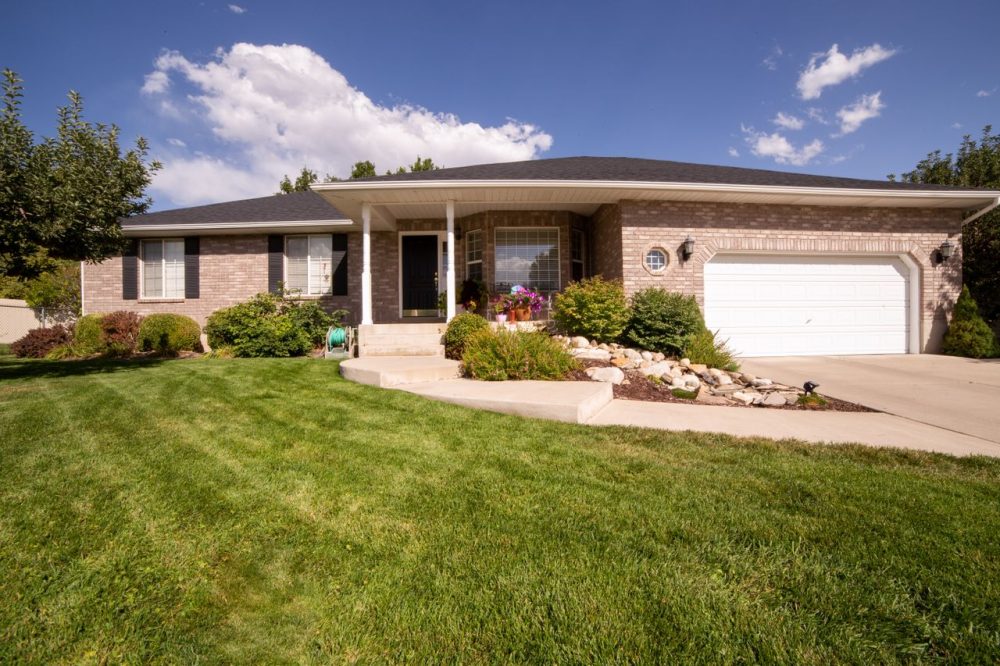
- Make the front entrance the main focal point with a fresh door color, updated hardware, and complementary décor.
- Use layered landscaping with plants of different heights, textures, and seasonal interest to soften a flat façade.
- Improve the walkway with clean edges, suitable materials, and subtle lighting to create a clear path to the entrance.
- Add exterior lighting to highlight the entryway, landscaping, and architectural details while improving nighttime visibility.
- Give windows and large wall areas more character through coordinated trim, planters, shutters, or other appropriately scaled details.
- Choose a cohesive exterior color and material palette so the various improvements work together rather than competing for attention.
- Prioritize cleaning, repairs, trimming, and regular maintenance so new improvements continue to look polished over time.
A flat-front house can sometimes look plain from the street because it lacks the depth created by porches, projecting entryways, and layered architectural details. However, a simple façade also provides a clean canvas for thoughtful improvements. The right combination of landscaping, color, lighting, architectural accents, and entryway details can make the exterior look more welcoming without requiring a major renovation. The key is to create visual interest while maintaining balance and keeping improvements proportional to the size and style of the home. Whether you want a quick weekend refresh or a more substantial transformation, these practical ideas can help give a flat-front house more character and personality.
Why Does a Flat Front House Need a Different Approach?
A flat façade does not necessarily need expensive structural changes to look attractive. Its simplicity can actually be an advantage because relatively small improvements can make a noticeable difference. Instead of trying to add too many decorative features, focus on creating layers and visual focal points across the front of the property.
The goal is to make the exterior feel more dimensional. Plants can soften hard surfaces, lighting can emphasize architectural features after dark, and carefully chosen colors can draw attention toward the entrance. Even something as simple as replacing an outdated light fixture or adding attractive house numbers can change how the entire façade is perceived.
Before starting, stand across the street and look at the house as a whole. Notice where the eye naturally goes first and which areas appear empty or disconnected. This perspective can help you decide where improvements will have the greatest effect.
Consider these questions before choosing your upgrades:
- Where is the main entrance? This should generally be the strongest visual focal point.
- Does the façade have enough greenery? Plants can break up large expanses of siding, brick, stucco, or concrete.
- Are the colors balanced? Too many competing colors can make a simple façade look cluttered.
- Does the walkway lead naturally toward the entrance? A clear visual path can make the property feel more inviting.
- Does the house look attractive at night? Outdoor lighting can dramatically change its appearance after sunset.
Once you understand what the façade lacks, you can select improvements that solve specific visual problems instead of adding decorations randomly.
1. Create a Stronger Front-Door Focal Point
The front door is one of the easiest places to create visual interest on a flat façade. Because the architecture may not provide a prominent porch or recessed entrance, the door itself can become the feature that gives the exterior more personality.
A fresh coat of paint in a carefully selected color can immediately draw attention to the entry. Depending on the home’s style, deeper shades such as navy, charcoal, forest green, or burgundy can create contrast, while softer colors can provide a more understated appearance.
You can strengthen the entrance further by adding a complementary door surround, simple trim, or a pair of planters. A stylish door handle, knocker, or modern house numbers can also provide small but noticeable details.
Avoid making the entrance dramatically different from the rest of the house. The goal is to create a focal point that feels intentional rather than disconnected.
2. Add Layers of Landscaping
Landscaping is one of the most effective ways to soften a flat façade. A large uninterrupted wall can appear stark, particularly when the front yard contains only lawn or paving. Introducing plants at different heights creates depth and makes the house appear more integrated with its surroundings.
Start with a simple planting structure. Low-growing plants can define the edges of pathways, medium-height shrubs can soften the lower portion of the façade, and taller plants or small ornamental trees can provide vertical interest.
When choosing plants, consider:
- Mature size rather than just their current appearance
- Sunlight and shade conditions
- Local climate
- Maintenance requirements
- Seasonal appearance
- Distance from walls and foundations
Avoid planting everything in a straight line at the same height. Varying plant sizes and shapes creates a more natural appearance and helps break up the flatness of the front elevation.
3. Improve the Walkway to the Entrance
A plain or poorly defined walkway can make even an attractive house feel unfinished. Since the path physically connects the street or driveway with the front door, improving it can also strengthen the visual connection between the home and the public-facing portion of the property.
If the existing walkway is structurally sound, you may not need to replace it. Cleaning, edging, repairing cracks, and adding plants or low-level lighting may be enough to make it look more polished.
For a more substantial improvement, consider materials that complement the home’s exterior. Brick, pavers, concrete, natural stone, or gravel can all work depending on the design.
The width and shape should remain practical. A walkway that is too narrow can feel uncomfortable, while an overly elaborate path may overwhelm a modest façade. Aim for a route that feels natural and clearly directs visitors toward the entrance.
4. Use Exterior Lighting to Add Depth

A flat façade can look surprisingly different after dark when lighting is positioned correctly. Exterior lighting creates shadows and highlights that can make a simple wall appear more dimensional.
Start with the entrance. A well-proportioned wall fixture or pendant can provide both illumination and decorative appeal. Path lights can then guide visitors from the driveway or sidewalk toward the door.
You can also use lighting to emphasize landscaping or architectural details. Uplighting a small tree, highlighting textured walls, or placing subtle lights along planting beds can create layers across the front yard.
Avoid excessive brightness. Multiple intense fixtures can make the exterior feel harsh and can create glare for people approaching the property. Warm, appropriately positioned lighting generally produces a more comfortable evening appearance.
5. Give the Windows More Visual Character
Windows can disappear into a large flat wall when their frames, trim, and surrounding areas lack contrast. You do not necessarily need to replace the windows to make them more noticeable.
Freshly painted trim can define each opening. Shutters may work with certain traditional architectural styles, while window boxes can introduce color and greenery. Simple exterior shades or awnings can also add dimension when they suit the architecture.
If you use multiple window treatments, keep them consistent. Matching or coordinated elements usually create a more polished appearance than treating every window differently.
For homes with very minimal architecture, even a small change in trim color can make the windows appear more intentional and help break up a large uninterrupted surface.
6. Add a Layer of Architectural Detail
When a façade feels too plain, carefully selected architectural details can provide the depth that the structure itself lacks. This does not mean adding decorative features everywhere.
A small canopy above the front door, decorative trim around an entrance, a modest awning, or a simple vertical feature can introduce additional layers. Depending on the home’s design, siding accents or contrasting materials may also help divide a broad wall visually.
The best additions should look as though they belong to the original house.
Before installing anything permanent, consider the proportions of the façade. A feature that looks attractive on a large two-story home may overwhelm a compact single-story property. Simple, appropriately scaled additions are generally easier to maintain and more visually convincing.
7. Refresh the Exterior Color Scheme
Color is one of the most powerful tools for changing the appearance of a flat-front house. A coordinated palette can make the façade appear more sophisticated without altering its structure.
Instead of selecting several unrelated colors, establish a simple hierarchy. Use one dominant exterior color, one complementary trim color, and an accent color for the door or selected details.
Light exterior colors can make a small property feel more open, while darker tones can create a dramatic appearance. The best choice depends on the home’s architecture, surrounding properties, climate, and existing materials.
Don’t forget permanent elements such as the roof, driveway, masonry, and fencing. These should be considered when choosing new paint colors so the finished exterior feels cohesive rather than pieced together.
8. Make the House Numbers More Noticeable
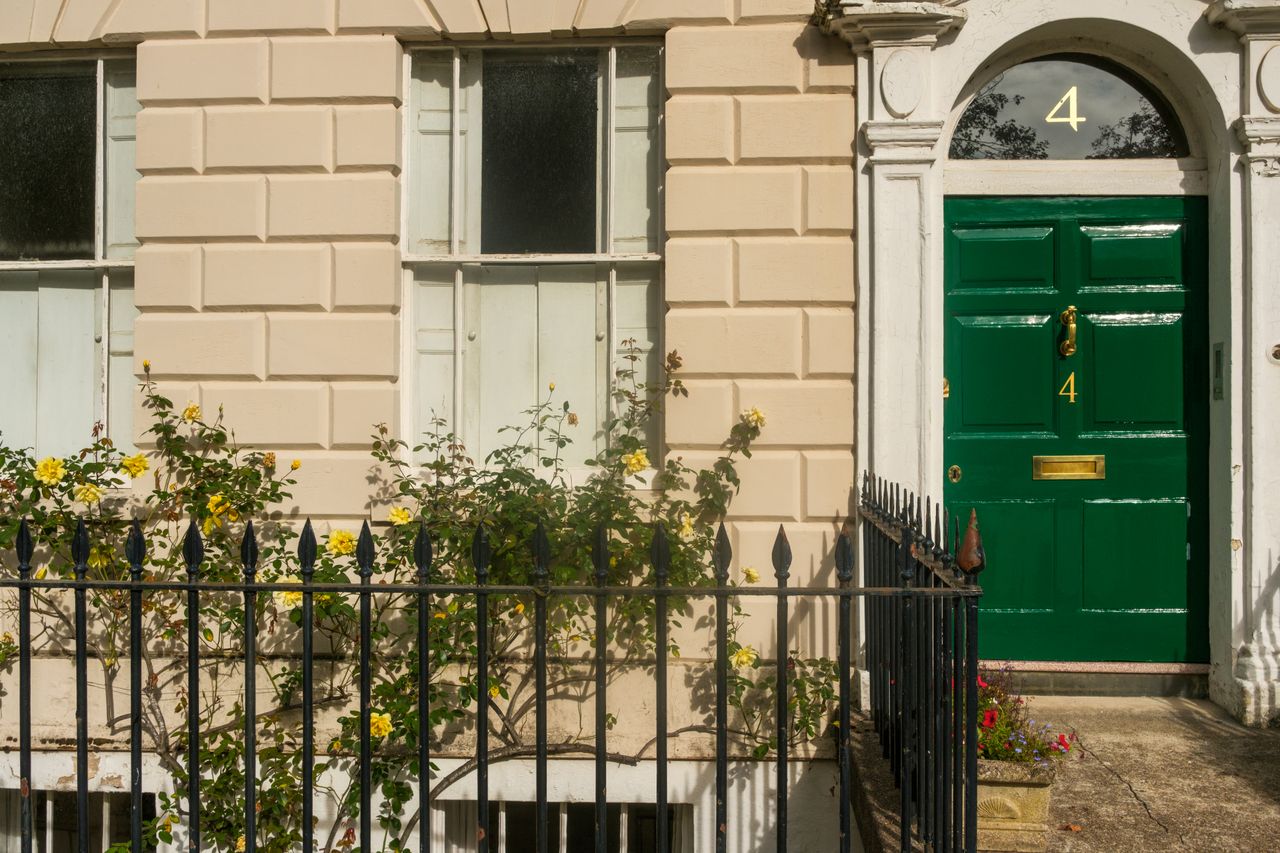
House numbers are small, but they contribute to the overall appearance of an entrance. Old, damaged, poorly positioned, or difficult-to-read numbers can make an otherwise refreshed exterior look dated.
Choose numbers that are easy to read from the street and coordinate with the home’s architectural style. Modern metal numbers can suit contemporary houses, while more traditional designs may work better with classic fonts and finishes.
Placement matters as much as appearance. The numbers should be visible without being hidden behind plants, decorative objects, or shadows.
You can also use the numbers as an opportunity to introduce a subtle accent material that appears elsewhere around the entrance, creating visual consistency.
9. Introduce Planters Near the Entry
Planters provide an easy way to add height, texture, and color without committing to permanent landscaping. They are particularly useful when the front yard has limited planting space or when the façade lacks architectural depth.
Place one or two appropriately sized containers near the front door rather than filling the entire entrance with pots. Symmetrical placement can create a formal appearance, while slightly varied arrangements can feel more relaxed.
Choose containers that complement the exterior rather than competing with it. Large architectural planters can provide a strong visual statement, while smaller containers can add seasonal color.
Remember to consider drainage, sunlight, watering requirements, and the mature size of the plants. Attractive planters are most effective when the plants inside them remain healthy and well maintained.
10. Use Fencing and Edging to Define the Property
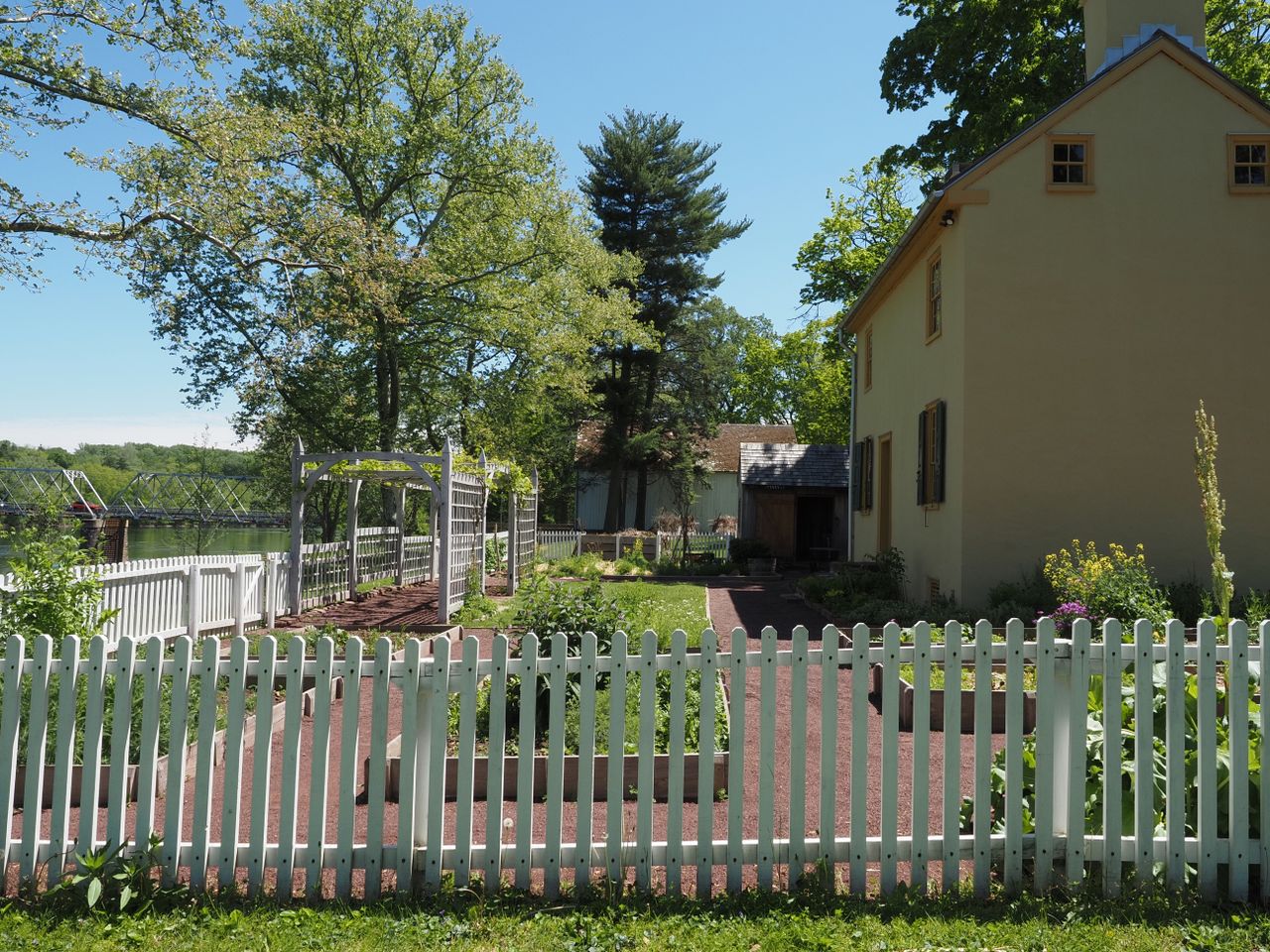
A front yard can appear disconnected from the house when there is no clear transition between lawn, planting beds, walkways, and other outdoor areas. Simple edging or fencing can help organize the space.
Low borders can define flower beds without blocking the view of the house. A short decorative fence can add character to some architectural styles, while carefully selected edging materials can make landscaping look more finished.
The goal is not to create barriers everywhere. Maintain an open relationship between the street, yard, and front entrance.
If you already have fencing, inspect it for peeling paint, damaged sections, leaning posts, or overgrown vegetation. Repairing and refreshing an existing boundary may produce more improvement than installing something completely new.
11. Add Texture Through Materials and Accessories
Flat surfaces become more interesting when different textures are introduced thoughtfully. Materials such as stone, brick, wood, metal, and textured planters can provide contrast against smooth siding, stucco, or painted walls.
You can use these materials in small areas rather than covering the entire façade. For example, a stone border around a planting bed, a wood accent near the entrance, or metal lighting fixtures can provide enough variation to prevent the exterior from feeling monotonous.
The same principle applies to accessories. A well-designed mailbox, welcome mat, door hardware, or exterior bench can contribute to the overall appearance.
The key is consistency. Choose materials and finishes that repeat or complement something already present on the property. This creates visual connections throughout the exterior.
12. Keep the Front Yard Clean and Well Maintained
One of the most affordable ways to improve curb appeal is simply to make sure everything already present looks its best. Even an expensive exterior can appear neglected when weeds are visible, plants are overgrown, paint is peeling, or walkways are dirty.
Create a regular maintenance routine that covers the most visible areas.
- Trim shrubs before they cover windows or walkways.
- Remove weeds from planting beds and cracks.
- Keep lawns and ground covers appropriately maintained.
- Clean exterior walls when the material allows it.
- Wash or sweep walkways and driveways.
- Replace damaged outdoor fixtures.
- Keep the entrance free of unnecessary clutter.
Maintenance also helps new improvements have a greater impact. A beautiful front door or new landscaping will stand out much more when the surrounding property is clean and orderly.
How Can You Combine These Ideas Without Overdoing It?
The most successful exterior makeovers usually do not involve implementing all 12 ideas at once. A flat façade benefits from thoughtful layering, but adding too many competing features can make the house look busy rather than attractive.
Start by identifying the three areas that need the most attention. For many homes, this might be the front door, landscaping, and walkway. Once those areas are improved, evaluate the result before adding additional details.
A practical sequence could look like this:
- Clean and repair the existing exterior.
- Improve the front-door area.
- Define the walkway.
- Add landscaping at different heights.
- Upgrade exterior lighting.
- Introduce smaller decorative details only where needed.
Budget should also influence your priorities. A fresh door color, new house numbers, attractive planters, and improved landscaping can create a noticeable transformation without requiring structural work. Larger investments, such as new windows or architectural additions, can be considered later.
The best improvement is not necessarily the most expensive one. It is the change that solves the most obvious weakness in the existing façade.
How Can You Plan Your Improvements for the Best Result?
A successful exterior refresh starts with observation rather than shopping. Take photographs of the front of the house from several distances and angles. Look at the images instead of relying only on what you see while standing directly in front of the property.
This can reveal problems that are easy to overlook, such as an entrance that lacks contrast, landscaping that is too low, or a walkway that doesn’t visually connect with the front door.
Create a priority list based on visibility, cost, and impact. Some changes can be completed quickly, while others require more planning or professional assistance. Grouping improvements into phases can make the project easier to manage.
If you’re planning several upgrades over time, think about how they will work together. The same design language should appear across landscaping, lighting, colors, materials, and accessories. This is especially important when combining several smaller improvements rather than undertaking one major renovation.
For inspiration, look at comparable homes in your neighborhood and note which exterior improvements appear natural for the area’s architecture. You can also explore different home exterior projects to see how landscaping, entrances, lighting, and color combinations work together.
Final Thoughts
Adding curb appeal to a flat-front house is primarily about creating visual depth, directing attention, and making the entrance feel welcoming. You don’t need to completely redesign the façade to achieve that effect. A stronger front door, layered landscaping, an improved walkway, better lighting, defined windows, coordinated colors, and carefully selected accessories can transform a plain exterior into a more distinctive and inviting one.
Start with the most visible weaknesses and make improvements in stages. Keep proportions, maintenance, architectural style, and the surrounding property in mind as you make decisions. Most importantly, avoid adding features simply because they are fashionable. The strongest results come from improvements that make the house feel cohesive.
With thoughtful planning, even a very simple flat-front façade can gain character, depth, and a polished appearance while remaining practical and easy to maintain.