Trees are often some of the most noticeable features in a yard, influencing how the entire outdoor space looks and feels. When branches become overgrown or uneven, they can make a carefully planned landscape appear crowded or unbalanced. Working with a professional tree trimming company can help maintain attractive shapes while supporting the overall health and structure of mature trees. Strategic pruning can also improve how trees interact with gardens, walkways, patios, and other outdoor features.
By considering tree shape as part of the broader landscape design, homeowners can create a yard that feels more intentional and visually appealing. Thoughtful tree shaping can bring greater definition to the yard while allowing each outdoor element to work together as part of a cohesive design.
Create Better Visual Balance
Well-shaped trees can help create balance between different areas of a property. An overly dense canopy may make one section of the yard appear heavier than another, while uneven growth can draw attention away from important landscape features. Selective pruning can help create a more proportional appearance without removing more branches than necessary. Trees can also be shaped to complement the lines of nearby structures, fences, and planting beds. This allows the greenery to feel like part of the design rather than an isolated feature. Maintaining balanced growth can make both small and large yards appear more organized.
Highlight Landscape Features
Strategically shaped trees can draw attention to features that homeowners want visitors to notice. A carefully maintained canopy can frame an entryway, patio, garden, or outdoor seating area. Removing branches that obscure these features can improve visibility while preserving the natural character of the tree. Trees can also be positioned visually to create attractive focal points within an outdoor space. When branches grow in directions that interfere with a view, selective pruning can restore the intended sightline. This approach allows trees to complement other design elements instead of competing with them.
Improve Open Space
Overgrown branches can make a yard feel smaller by extending heavily into open areas. Selective trimming can create more breathing room while maintaining enough canopy to preserve shade and visual interest. Raising lower branches may also make pathways and lawn areas feel more accessible. This can be particularly useful in yards where mature trees have gradually taken over areas once used for outdoor activities. Creating open space does not require removing the tree or drastically changing its natural form. Thoughtful pruning can make the existing landscape feel more spacious while retaining established vegetation.
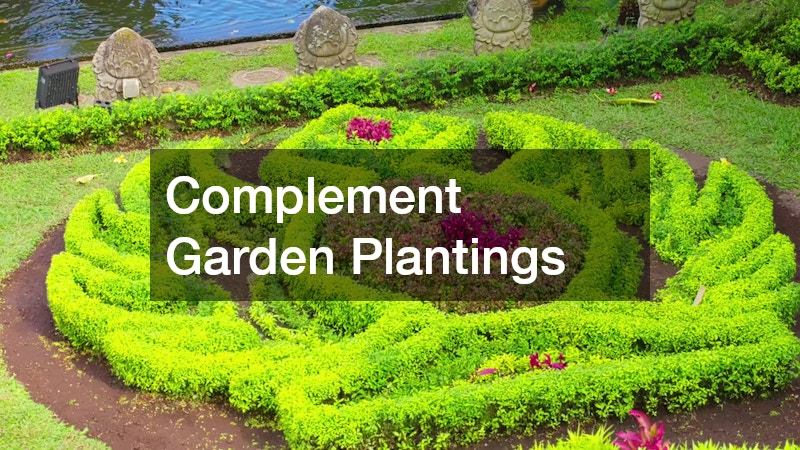
Complement Garden Plantings
Trees influence how flowers, shrubs, ground covers, and other plants are seen throughout a garden. Dense branches may cast heavy shade over plants that require more sunlight, while sparse canopies can leave certain areas exposed. Shaping trees with surrounding vegetation in mind can help create a more harmonious planting arrangement. Pruning can also prevent branches from overwhelming smaller ornamental plants. Maintaining appropriate spacing between trees and garden features can improve the overall composition. The result is a layered landscape where trees provide structure without dominating every other element.
Enhance Walkways and Outdoor Areas
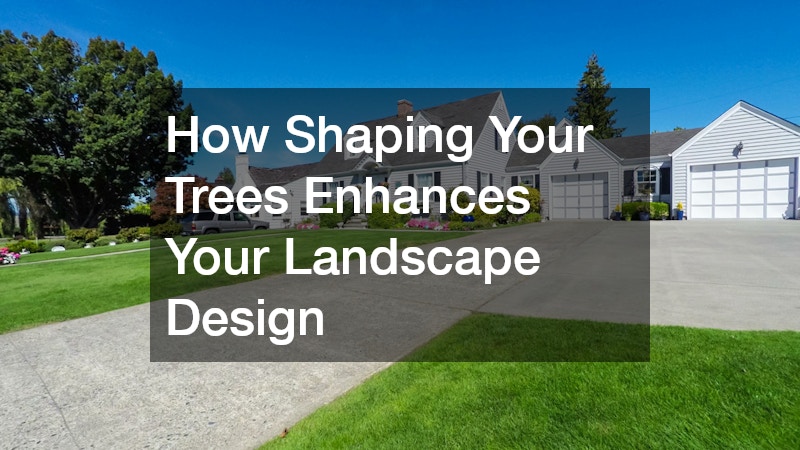
Tree branches that extend too far over sidewalks, driveways, and patios can interfere with movement and reduce the usability of outdoor spaces. Selective trimming can create clearer paths while preserving the shade and character that trees provide. Branches near outdoor seating areas can also be managed to maintain comfortable clearances. Proper shaping may make patios and walkways feel more connected to the surrounding greenery. Keeping branches away from frequently used areas can also simplify routine yard maintenance. When trees are thoughtfully integrated with these spaces, the landscape becomes easier to enjoy.
Support Healthier Growth
Landscape design should not focus on appearance alone. Proper tree shaping can also support healthier growth by removing dead, damaged, or poorly positioned branches. Reducing problematic growth may improve airflow through the canopy and allow more light to reach interior branches. Removing weak or crossing branches can also help the tree develop a stronger structure over time. However, excessive pruning can stress a tree or create new problems, making careful assessment important. Each tree has different growth habits and pruning needs, so the approach should be based on its species, age, condition, and location.
Maintain a Refined Appearance
A landscape can lose some of its visual appeal when trees are allowed to become excessively uneven or overgrown. Regular attention helps maintain the shape established through previous pruning while preventing small issues from becoming larger ones. Seasonal inspections can identify dead branches, excessive growth, and areas that may interfere with landscape features. Consistent maintenance can also help homeowners preserve the mature appearance of established trees. Rather than making dramatic changes all at once, gradual shaping can create a more natural result. Over time, properly maintained trees can become defining features that strengthen the character of the entire landscape.