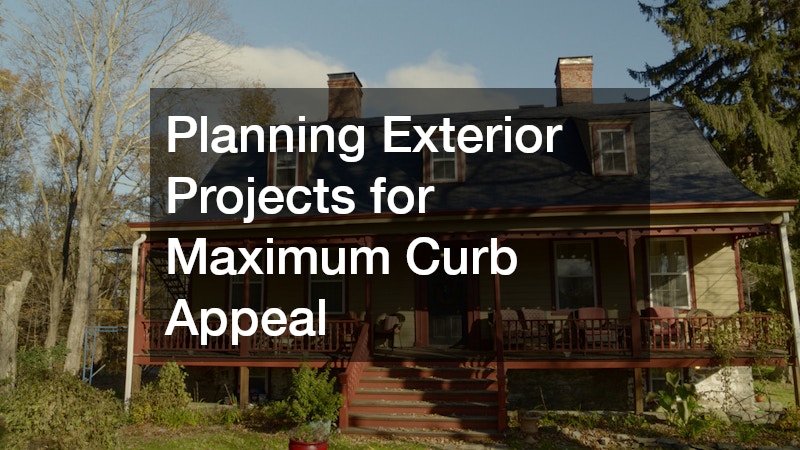
Curb appeal is more than just visual charm—it’s a strategic combination of planning, sequencing, and informed decision-making. Whether homeowners are preparing to sell or simply want to take pride in their property, exterior improvements have the greatest impact when they are approached holistically rather than piecemeal. Poor planning often leads to mismatched upgrades, wasted money, or having to redo completed work because earlier steps were overlooked.
Many homeowners begin exterior projects with good intentions but no clear roadmap. They may focus on individual updates without considering how each change affects the overall appearance of the home. Over time, this approach can result in an exterior that feels disjointed, where finishes clash or certain features draw attention away from others. In contrast, a well-planned strategy ensures that each improvement supports a larger visual and functional goal.
A thoughtful exterior plan helps homeowners focus on visibility, balance aesthetics with function, and avoid common pitfalls that undermine results. It encourages evaluating the home from multiple perspectives, prioritizing projects based on impact, and addressing foundational elements before surface-level enhancements. Planning also allows homeowners to manage budgets more effectively, reducing the likelihood of surprise expenses or rushed decisions.
This guide walks through the most effective way to plan exterior projects so each improvement builds on the last, creating a cohesive, polished appearance that stands the test of time. By following a structured approach, homeowners can transform their property with confidence, knowing each decision contributes to a unified and enduring exterior design.
Assess Your Home’s Exterior From the Street

Before committing to any project, homeowners should evaluate their property exactly as visitors and passersby see it. This perspective often reveals inconsistencies or dated features that aren’t noticeable from up close.
Start with a slow walk across the street and note the overall balance of the façade. Look for areas that draw the eye for the wrong reasons—uneven elements, faded materials, or features that clash with the home’s architectural style. Take photos to review later, as this can make flaws more apparent.
Key areas to evaluate include:
- Proportions between the upper and lower sections of the home
- Color contrast between trim and siding
- Visual symmetry around the main entry
- Materials that appear worn or mismatched
Features like new shutters can dramatically improve balance when existing ones are warped, faded, or improperly sized. Similarly, outdated windows and doors often disrupt visual flow due to inconsistent styles, finishes, or proportions. Addressing these prominent elements early creates a cleaner foundation for future upgrades.
Establish Project Priorities Based on Visibility and Impact
Not all exterior projects deliver equal visual returns. Some improvements dominate first impressions, while others quietly support the overall look. Prioritizing projects by their visibility ensures money and effort are spent where they matter most.
Upper-level elements are frequently overlooked, yet they frame the entire structure. Rooflines, gables, and trim influence how polished the home appears from a distance. Even well-maintained landscaping cannot compensate for neglected structural features.
When planning upgrades, consider:
- Which elements are visible from the street versus the side or backyard
- Whether aging components detract from otherwise updated areas
- How conditions affect perceived home value
Professional evaluations often help determine urgency. A roofing service can identify issues that may not yet cause leaks but still affect appearance, such as uneven lines or aging materials. Consulting a local roofer also provides insight into whether cosmetic updates can wait or should be paired with functional repairs, preventing wasted investment later.
Plan Tree and Landscape Changes Before Structural Work
Landscaping plays a powerful role in curb appeal, but trees must be addressed carefully before exterior construction begins. Large or poorly positioned trees can obstruct views, interfere with contractors, or cause damage during upgrades. Branches that overhang roofs, walkways, or work areas can limit access and create safety concerns during construction. Roots may also affect foundations, driveways, or underground utilities, making early evaluation essential.
Planning tree and landscape changes in advance helps create a clear, safe workspace and protects both workers and the property. It also prevents newly installed exterior features from being damaged by falling debris or heavy equipment. Addressing these concerns early allows structural projects to proceed smoothly and ensures the home’s most attractive features remain visible once improvements are complete.
Begin by identifying trees that:
- Block sightlines to architectural features
- Cast excessive shade over key areas
- Lean toward the home or roofline
- Have surface roots affecting walkways or foundations
In some cases, working with a local tree removal service is the safest way to eliminate hazards or open up the façade. For trees that add value but require expert evaluation, a tree arborist service can assess health, growth patterns, and long-term impact. Addressing these issues early prevents complications once exterior improvements are underway and ensures the home’s best features remain visible.
Refine Greenery With Targeted Maintenance
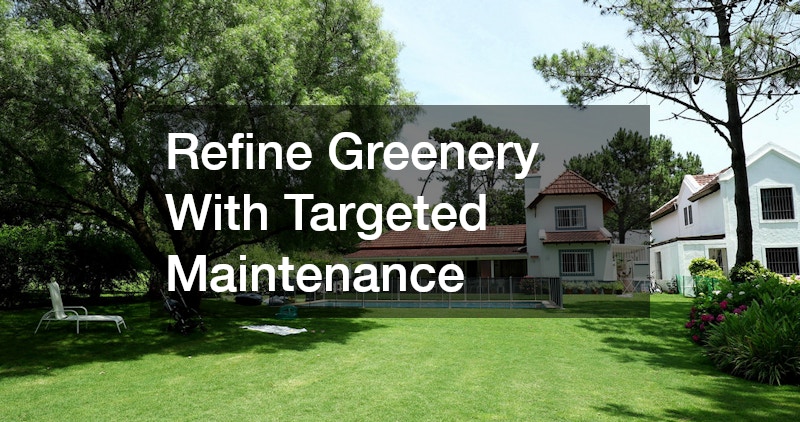
Once major landscape decisions are made, fine-tuning greenery helps frame the home rather than overwhelm it. Proper maintenance improves symmetry, allows natural light to reach the façade, and creates a sense of intentional design. Thoughtful trimming and pruning highlight architectural features such as entryways, windows, and rooflines, drawing attention to the home’s strengths rather than letting foliage obscure them.
In addition, well-maintained plants create a polished, welcoming impression for visitors and passersby. Regular maintenance, including pruning, shaping, and removing dead or overgrown branches, promotes healthy growth while keeping the landscape visually balanced. Combining these efforts with seasonal planting or accent shrubs can enhance color contrast and texture, further elevating curb appeal. By integrating targeted greenery maintenance into the overall exterior plan, homeowners ensure that both landscaping and structural elements work together harmoniously, enhancing the home’s overall aesthetic impact.
Strategic tree trimming can:
- Reveal architectural details previously hidden
- Improve the balance between landscaping and structure
- Prevent branches from encroaching on siding or rooflines
- Reduce debris buildup around the home
Timing matters as well. Seasonal trimming avoids stressing plants and ensures growth supports long-term appearance goals. Homeowners should resist over-pruning, which can leave trees looking sparse or unbalanced. Thoughtful maintenance enhances curb appeal while preserving the natural character of the property.
Choose Roofing Materials That Complement the Home Style
Roofing is one of the most visually dominant exterior elements, yet material selection is often driven solely by durability or cost. While performance is important, appearance should play an equal role in planning curb appeal improvements. The roof frames the home and is one of the first things visitors notice, so its style, color, and texture can significantly influence the overall aesthetic.
Choosing materials that complement the home’s architectural style ensures that the exterior looks cohesive and intentional rather than disjointed. For example, metal roofing can provide a modern, clean look, while traditional shingles may suit classic or cottage-style homes. Beyond style, the finish and color of roofing materials can enhance or contrast with siding, trim, and shutters, creating visual harmony. Selecting the right roofing materials thoughtfully balances function, durability, and aesthetic appeal, making the home appear polished and well-maintained while maximizing long-term value.
Material choice influences:
- Architectural consistency
- Color harmony with siding and trim
- Texture and depth of the exterior
- Perceived quality and longevity
Metal roofing, for example, can dramatically elevate modern or farmhouse-style homes when selected in complementary finishes. Its clean lines and reflective qualities can either enhance or overpower the façade depending on color choice and surrounding materials. Evaluating roofing alongside other exterior elements ensures it contributes positively to the overall design rather than standing apart.
Define Property Lines and Visual Boundaries Clearly
Clear boundaries help create structure and order, which are essential components of strong curb appeal. Without defined edges, even well-maintained homes can appear unfinished or visually confusing. Boundaries guide the eye, frame the property, and establish a sense of intention.
When planning boundary features, homeowners should consider how visibility, openness, and proportion interact with the home’s design. Front-facing elements should enhance the architecture rather than dominate it. Height, material, and placement all influence how welcoming or closed-off a property feels.
A professional fence installation service can help homeowners select styles that align with both practical needs and visual goals. Common considerations include:
- Choosing materials that complement exterior finishes
- Aligning fence lines with walkways and landscaping
- Avoiding designs that block key sightlines
- Maintaining consistent spacing and symmetry
Thoughtfully designed boundaries enhance curb appeal by adding structure without overwhelming the home’s primary features.
Address Drainage and Roofline Details Early

Small exterior details often make the difference between a home that looks polished and one that appears neglected. Drainage components are a prime example—functional but highly visible elements that can detract from curb appeal when ignored.
Issues like sagging lines, staining, or mismatched finishes draw attention for the wrong reasons. Addressing these problems early prevents water damage while improving visual cleanliness.
Coordinating gutter services as part of the overall exterior plan ensures:
- Clean, straight lines along roof edges
- Proper water flow away from foundations and walkways
- Reduced staining on siding and trim
- Consistent color integration with the rest of the exterior
Because drainage components interact closely with roofing and landscaping, addressing them early prevents disruption to completed work later in the process.
Sequence Projects to Avoid Redoing Finished Work
One of the most common curb appeal mistakes is completing projects out of order. Improper sequencing leads to damaged finishes, duplicated labor, and unnecessary expenses.
A logical exterior project sequence typically follows this order:
- Tree and landscape changes that affect access or visibility
- Structural or roof-related work
- Drainage and roofline details
- Exterior surface upgrades
- Boundary and decorative features
This approach minimizes the risk of heavy equipment damaging finished elements and ensures each improvement builds upon the previous one. Coordinating timelines across contractors also reduces delays and keeps the overall vision intact.
Budget Strategically for Short-Term Impact and Long-Term Value
A successful curb appeal plan balances immediate visual improvement with long-term durability. Homeowners who spend their entire budget on surface-level upgrades often face costly corrections later.
Strategic budgeting involves:
- Separating cosmetic improvements from functional investments
- Allocating funds based on visibility and return
- Planning phased upgrades without sacrificing cohesion
- Setting aside contingency funds for unexpected discoveries
Breaking the plan into stages allows homeowners to achieve noticeable improvements while maintaining flexibility. When each phase is designed to complement future upgrades, the exterior remains cohesive throughout the process.
Final Walkthrough and Curb Appeal Quality Check
Before considering the project complete, homeowners should perform a final walkthrough from multiple viewpoints. This step ensures all improvements work together and no small issues undermine the overall result.
During the walkthrough, assess:
- Visual balance from the street and sidewalk
- Consistency of materials, colors, and finishes
- Alignment of architectural and landscape elements
- Cleanliness and detail execution
Minor adjustments at this stage—such as touch-up paint or repositioning features—can dramatically improve the final impression. This quality check ensures the home presents a unified, intentional appearance.
Planning exterior projects for curb appeal is most effective when homeowners think strategically rather than reactively. By evaluating visibility, sequencing work correctly, and balancing aesthetics with function, each improvement contributes to a cohesive whole rather than standing alone. This deliberate approach prevents wasted effort, reduces the risk of rework, and ensures that every upgrade supports the overall appearance of the home.
When exterior updates are planned with intention, the result is more than a visually attractive home—it’s a property that feels complete, well-maintained, and thoughtfully designed. Each element works in harmony, creating a strong first impression while also supporting long-term durability and performance. Homeowners who take the time to plan often find that even modest improvements appear more impactful because they align with a broader vision.
Strategic planning also allows for flexibility. Projects can be completed in phases without sacrificing consistency, making it easier to manage budgets and timelines. This measured pace reduces stress and provides opportunities to refine decisions as the exterior evolves. Over time, the home’s appearance remains polished rather than piecemeal.
Ultimately, curb appeal planning is an investment in both function and confidence. A well-considered exterior reflects care, foresight, and pride of ownership. Whether the goal is to enhance daily enjoyment or prepare for future resale, a strategic approach ensures the home continues to make a positive impression for years to come.